The OTA vs Direct Booking Playbook for Small Resorts
OTAs charge small dive resorts 15-25% per booking. Shift the mix to direct and keep that margin to fund a better guest experience. Read the full playbook.
The OTA vs Direct Booking Playbook for Small Resorts
Every resort operator has felt the OTA squeeze. You see the booking come in, you cheer, and then the platform takes its cut before you ever touch the money. The question is never whether to quit online travel agencies. It is how to shift the mix toward direct, so the margin you keep is enough to make a difference.
The published figure in our earlier piece, Dive Resort Marketing: The Five Levers That Fill a Resort, is that OTAs charge 15-25% per booking. Take a £400 per-person liveaboard or a £150-per-night resort stay and do the arithmetic yourself. On ten direct bookings a month you are keeping somewhere between forty and a hundred pounds more than the OTA route, every single month, before you think about the guest experience that money could fund.
This playbook is for small resorts: the ten-to-thirty-room property, the dive centre with a few boats, the operator two hours from the airport who cannot spend a marketing budget on PPC. The goal is not to hit some arbitrary direct-booking ratio. It is to make direct genuinely better, so the channel sells itself.
Why dive resort direct booking economics matter
The standard objection is that OTAs bring guests you would never find otherwise, and there is truth in it. A booking engine alone does not magic up demand. Cold demand, divers who have never heard of your island, is exactly where an OTA earns its fee.
But here is the nuance most owners miss. The OTA fee is not a discovery cost. It is a convenience tax you pay on every booking, including the ones that walked through your door twice, met your instructors, and asked your rates the week before. Those are loyal touches you already earned, and you are still paying a platform a quarter of the revenue to process them. That is the leak this playbook targets.
Direct booking economics are simple. Every booking you take without a commission either returns to margin or improves the experience that gets you the next direct booking. It compounds. The dive resort that keeps its margin can afford better ratios, newer gear, or marginally lower prices, each of which feeds word of mouth.
The honest starting point
Before any tactic, run the numbers. Pull your last season and split every booking by channel. You need three numbers. Your OTA occupancy, your direct occupancy, and the total commission you paid. Most owners can name their OTA volume but have never totalled what it cost them. That total is your real budget for a direct-booking push, and it is almost always larger than people expect.
Then decide your target honestly. For a small resort in year one, moving from twenty-five percent direct to forty percent direct is a realistic, valuable goal. You are not trying to replace the OTAs. You are trying to stop giving away revenue on demand you already earned.
Make direct better than the OTA, not just cheaper
Price is the weakest reason to book direct, because you are competing with yourself and it erodes margin. The durable reason is that direct is simply a better product. If direct only offers a lower price, the OTA guest has no reason to change behaviour. If direct offers something the OTA physically cannot route, the switch becomes obvious.
The Five Levers piece laid out the obvious candidates. An instant instructor chat before booking, so a nervous first-timer can ask about gear and experience levels. Flexible date changes without a support ticket. Package add-ons a platform cannot compose, like a certification course bundled into the stay. Reservation of the good boat slots. Each of these is something a small resort can deliver and an OTA page cannot.
The test is simple. Would a returning guest pick up the phone or use your booking form over the platform? If you cannot say yes, you have not built a direct channel yet, you have built a form.
Turn the website into a converting page
Your website's job is not to be a brochure. It is to convert the warm demand that word of mouth, your instructors, and even the OTAs generate. Most resort sites throw that away with slow forms, buried pricing, and no reason to act.
Start with trust, because dive bookings carry anxiety. Put the safety record, the equipment, the staff-to-guest ratios on the page where the booking happens, not buried in an about tab. Add guest underwater photography as proof, real shots beat stock every time. Then remove friction: a booking form that takes more than a minute, a payment step that bounces, or a request that forces a phone call you are not actually answering.
One concrete move: put a booking engine on every page that matters, and make the direct price, or the direct benefit, visible next to it. Divers who have already decided to visit should be able to commit in under sixty seconds. Every click between intention and confirmation is a receded guest.
Use the OTA as a tool, not a crutch
There is a mature way to use OTAs. They are a warm-demand tap you can turn on and off, and a discovery channel for divers from markets you have never touched. Treat them as such.
Keep your OTA listings accurate and current, because they still represent you to people who start there. Monitor your reviews there, because dive travellers check them. But stop relying on an OTA to do your marketing. It cannot tell your story, it cannot answer a nervous diver, and it cannot build the repeat business your margin and your low season depend on.
The playbook, in steps
Here is the sequence in one place.
1. Total your commission across the last season and set a direct-booking target, forty percent is a sane first stripe. 2. List the three things direct can offer that an OTA page cannot, and ship at least one this month. 3. Put the booking engine on every high-traffic page and make the direct benefit visible beside it. 4. Add trust proof, safety records and guest underwater photos, at the point of booking. 5. Ask every guest who books through an OTA how they heard of you, so you can measure how much demand the platform genuinely creates versus how much it simply intercepts. 6. Collect email addresses at every touchpoint. Your list is the only channel you own, and it is what you will use to fill the low season.
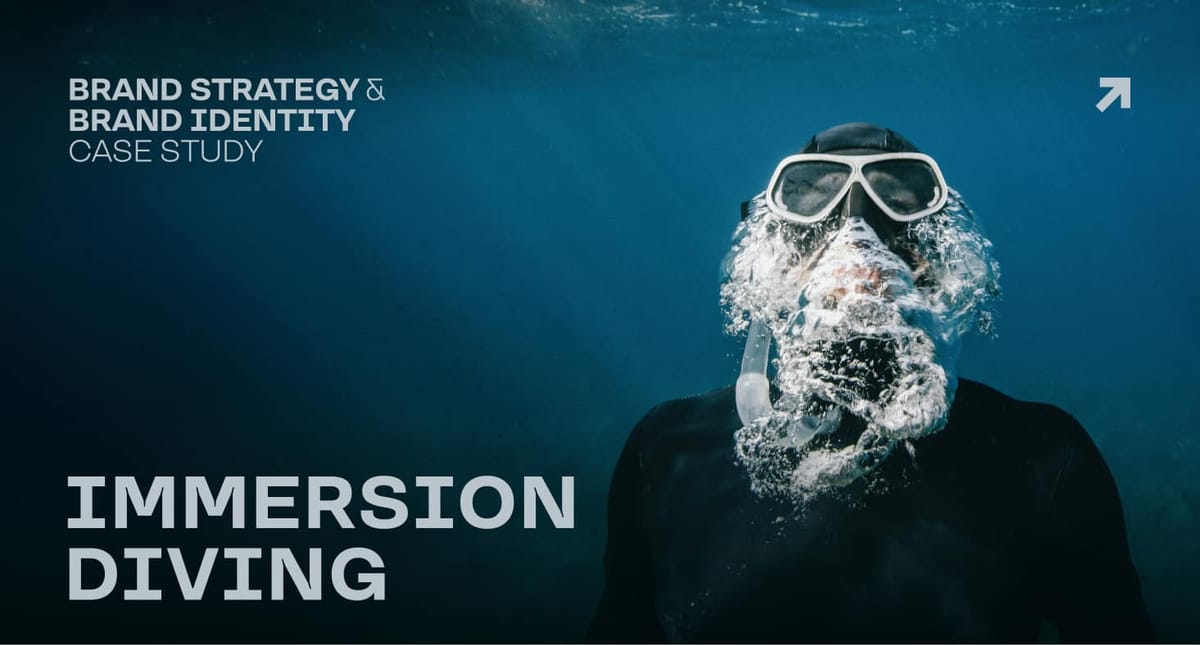
We built a resort brand around exactly this kind of direct, experience-led relationship on Malapascua. The Immersion case study shows a property using its brand strategy and identity to pull guests straight to it, rather than waiting to be filtered through a platform.
The margin you keep is the business you build
Step back and you see the pattern. The OTA fee is not really about the booking. It is about who owns the relationship. When half your revenue flows through a platform, a platform governs your reviews, your pricing, and your reach. When fifty percent of your bookings are direct, you set the terms, you control the story, and you keep the money.
Small resorts cannot outspend the platforms. They can out-own their guests. Every direct booking is a name, an email, a preference, and a reason to return that no OTA can see or hold. That is the compounding asset, and it is the one channel where a ten-room resort on a tiny island competes entirely on merit.
Start with the numbers, then the offer, then the page. The 15-25% you are handing to a platform is the cheapest marketing budget you have ever been given, because it is already being spent. The resorts that shift the mix are not the ones with better reefs. They are the ones who kept the margin and spent it on the guest.
Read the Full Five-Levers breakdown for where direct booking sits among the other levers, and see it applied at Immersion on a real island.
Related reading
Dive Resort Marketing: The Five Levers That Fill a Resort
Enjoyed this? Get the next one in your inbox
Branding insights from TARNOVSKI — no spam, unsubscribe anytime.