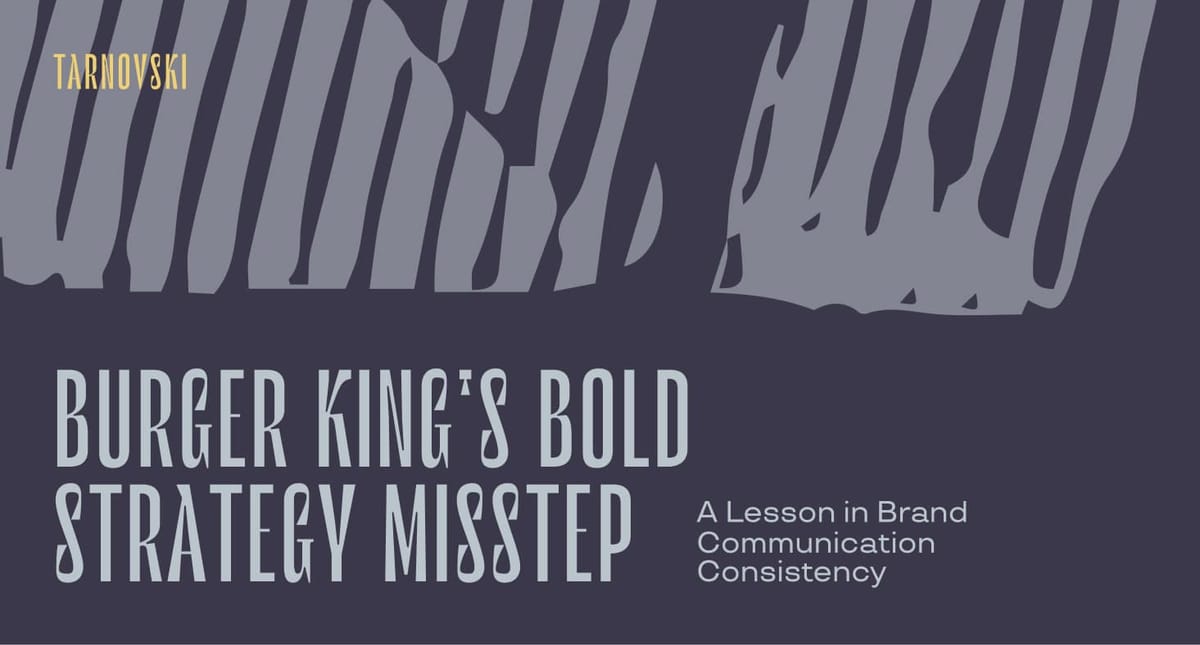
Burger King's Bold Strategy Misstep: A Lesson in Brand Communication Consistency
Explore the critical insights from Burger King's recent advertising blunder featuring a moldy burger. Understand the importance of communication strategy and brand consistency in aligning with consumer expectations and driving sales.
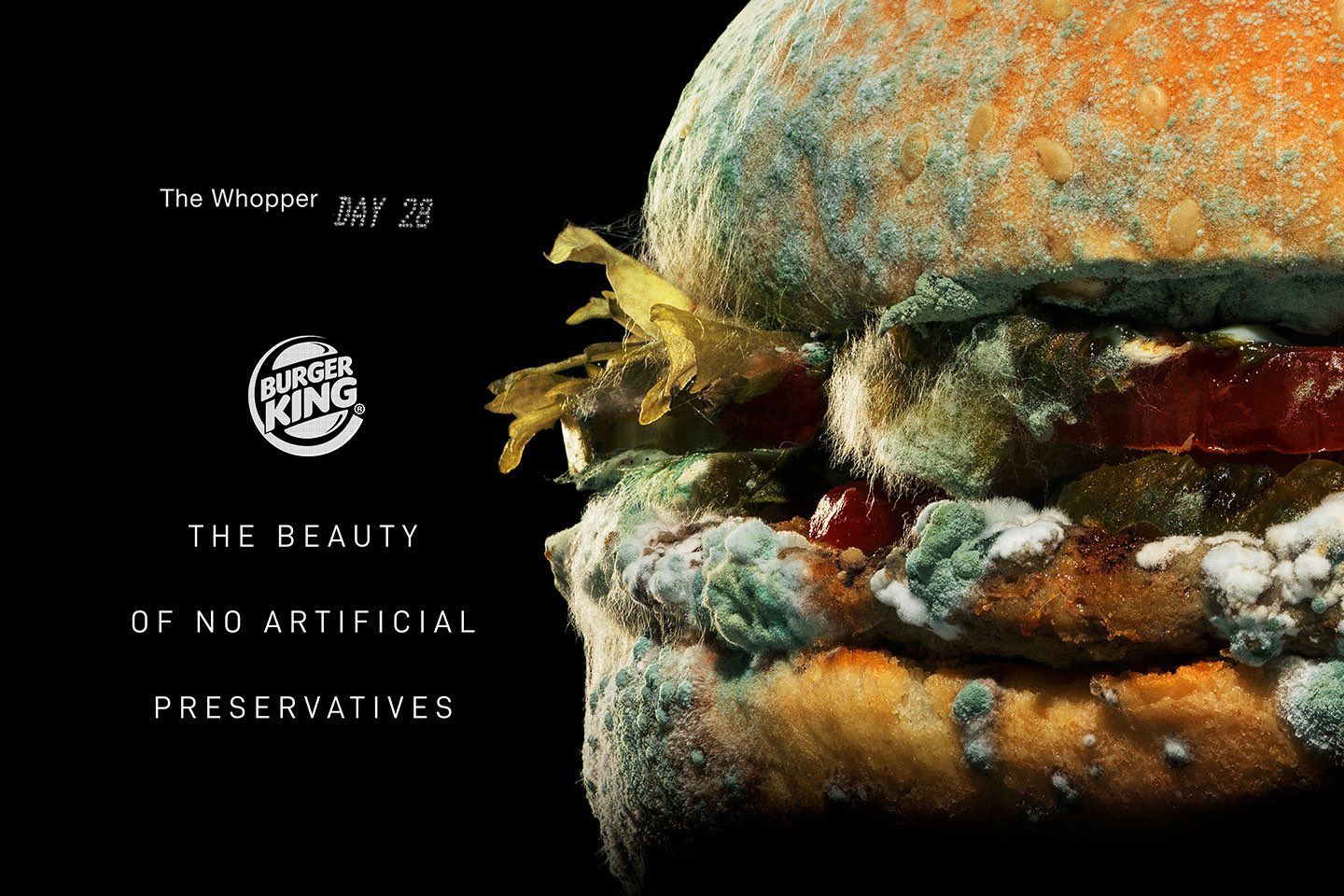
Burger King's latest campaign has sparked controversy and skepticism, aiming to differentiate its offerings by highlighting the naturalness of its burgers through the depiction of a moldy burger. This approach intended to underscore the absence of preservatives, contrasting with competitors like McDonald's. However, this strategy raises significant questions about its effectiveness in expanding Burger King's customer base.
The Misalignment with Consumer Expectations
At its core, the fast-food industry thrives on the appeal of quick, tasty, and visually appealing meals. The introduction of a moldy burger in an advertising campaign, despite its intention to communicate a commitment to natural ingredients, clashes with these fundamental consumer expectations. The visual unappeal of the advertisement is likely to deter, rather than attract, potential customers. This discrepancy highlights a critical oversight in Burger King's communication strategy—the need for brand messages that resonate with the audience's core desires.
The Unintended Consequences
Moreover, the campaign's attempt to redefine perceptions of Burger King's offerings compared to its gleaming competitors inadvertently shifts the spotlight. Rather than drawing in new patrons with a compelling narrative on healthfulness, the campaign may inadvertently increase cravings for McDonald's more traditional, albeit less 'natural,' burger imagery. This scenario illustrates the delicate balance in brand strategy, where efforts to distinguish one's brand can sometimes bolster the competition.
A Call for Strategic Coherence
This campaign underscores the importance of strategic coherence in brand communication. While reaching for innovative ways to highlight brand values, such as a commitment to natural ingredients, it's crucial that the methods employed do not conflict with the brand's overall promise or customer expectations.In Burger King's case, aligning its communication strategy more closely with the fast-food industry's core values—speed, taste, and visual appeal—while subtly incorporating messages about ingredient quality, could foster a more effective brand differentiation. This approach would ensure brand strategy and communication consistency, essential for nurturing customer loyalty and driving sales.
Recommendations for Improvement
- Visual Appeal: Ensure all advertising visuals align with the appetizing expectations of the fast-food industry.
- Message Clarity: Clearly communicate the brand's value proposition without conflicting with industry norms or consumer expectations.
- Consumer Insights: Leverage deep understanding of target audiences to craft messages that resonate and compel.
Related reading
Enjoyed this? Get the next one in your inbox
Branding insights from TARNOVSKI — no spam, unsubscribe anytime.